Sub-programme

NextUs

Documentary cinema in education — for students aged 10 to 18.

What is it?

NextUs is an online platform for teachers that brings documentary cinema into the classroom. It offers feature-length documentaries, short thematic clips and ready-made learning activities tied to curriculum topics that help students develop critical thinking and media literacy. The platform is funded by the Creative Europe MEDIA programme and currently includes 110 documentary films from 21 European countries, used by 574 schools in 17 countries. The Bulgarian version launched in May 2026 and currently includes 10 documentary films, linked to the UN Sustainable Development Goals and to key competences.

Who is it for?

Suitable for teachers of history, geography, foreign languages, civic education, philosophy, economics and entrepreneurship, for class teachers and for school psychologists. The platform is also designed for universities, language schools and adult education centres — for any school that wants to work with documentary cinema in the classroom and encourage discussion on topics such as identity, human rights, the environment and media literacy.

Who is behind the platform?

NextUs was created by DocsBarcelona, the international documentary film festival in Barcelona. Its partners include leading European festivals: Thessaloniki International Film Festival, DOK.fest München, IndieLisboa, MakeDox and Sottodiciotto Film Festival. In 2026 Arte Urbana Collectif (Bulgaria) and Génération 7ᵉ Art (France) joined the consortium. In October 2026 the platform received the FAR Award in the Education category for its transformation of education.

What does it offer?

  • Curated award-winning documentaries — teachers, film experts and media educators select films of high educational value.
  • Over 1,400 short clips arranged by subjects and topics, linked to key competences and the UN Sustainable Development Goals.
  • Ready-made lessons and activities on history, natural sciences, ecology, citizenship, the arts, media literacy and more, divided into age groups.
  • Educational licences that allow the films to be screened legally in class.
  • Original language with subtitles in 8 languages.

Examples from the catalogue

Oeconomia

Oeconomia

dir. Carmen Losmann

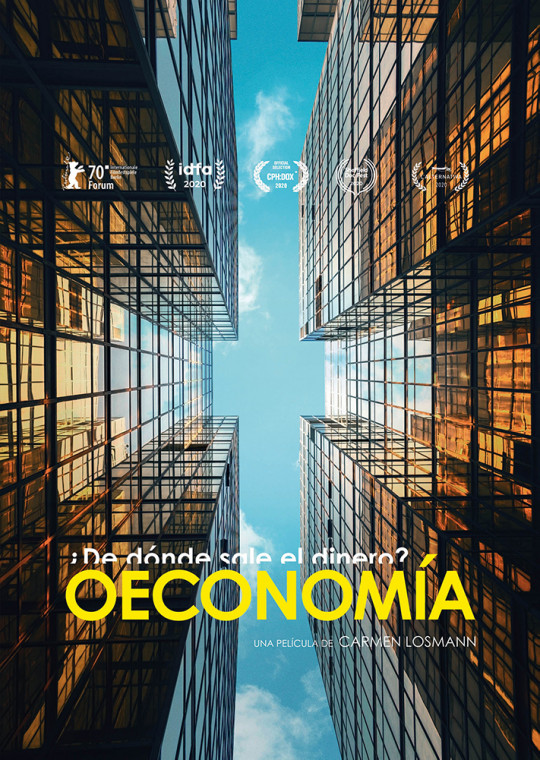
World premiere at the Berlinale. Winner of the Grimme Prize and an award at the Jihlava festival. The film asks simple questions such as “Where does money come from?” and through them explains how the modern economy works.
Thank You for the Rain

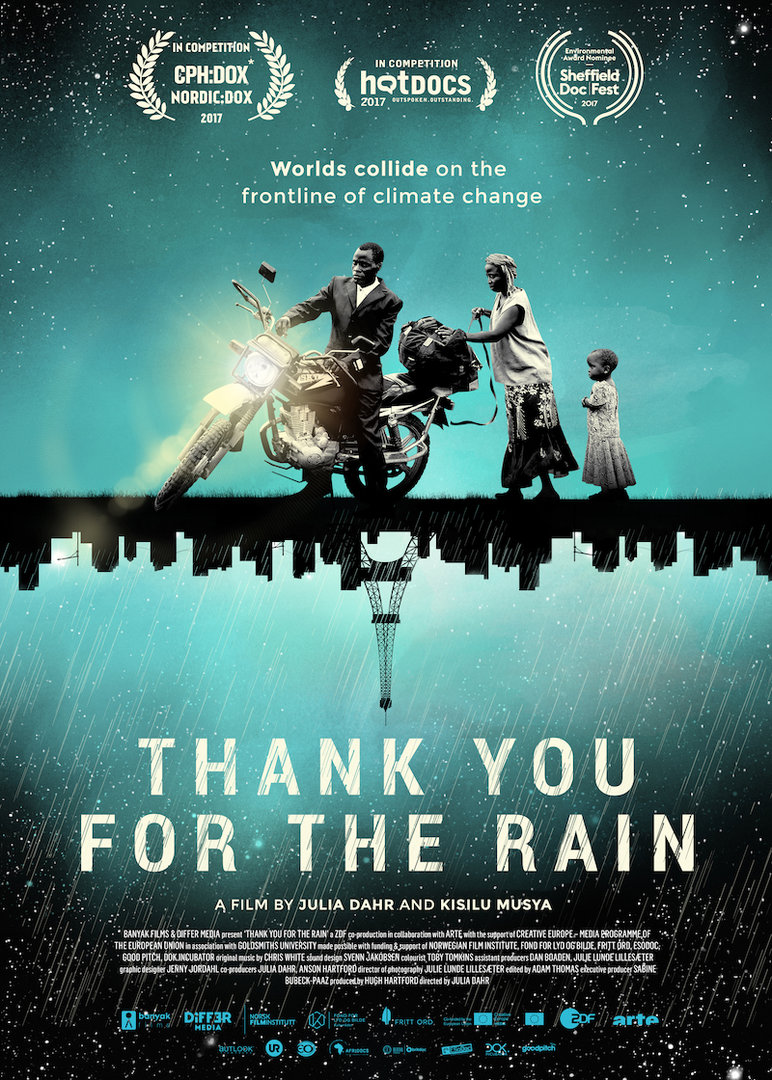
Thank You for the Rain

dir. Julia Dahr and Kisilu Musya

A Kenyan farmer films how climate change affects his family and village, and then brings his story to the global climate negotiations. The film won the WWF award at the Thessaloniki Documentary Festival and the FAO (UN) award for best film at AgroFilm.

Descarte

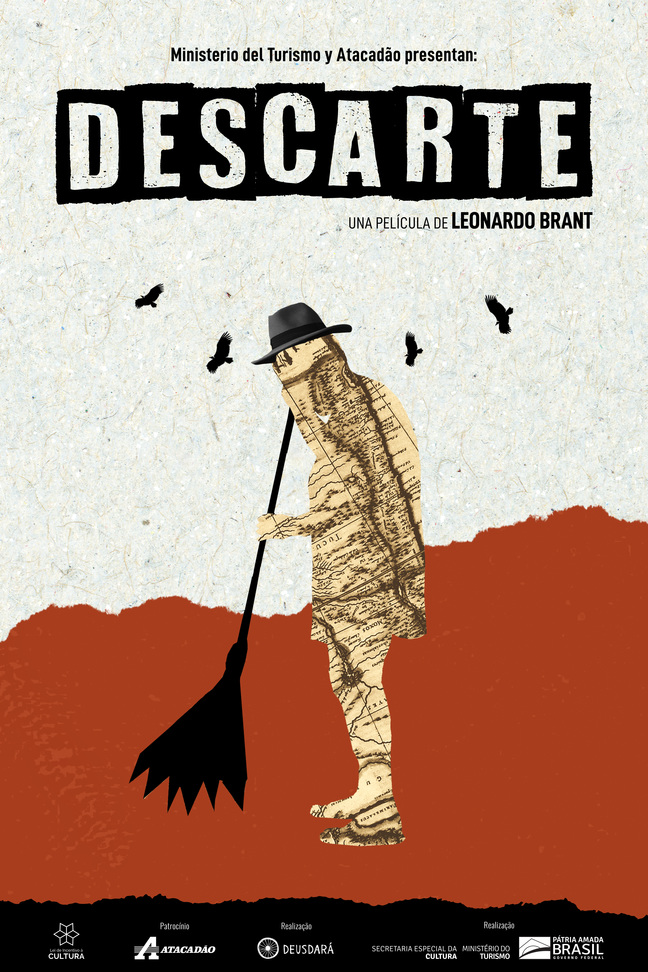
Descarte

dir. Leonardo Brant

About waste in Brazil and the artists, designers and activists who turn it into something new. A good fit for lessons on recycling and sustainable development.

Little Big Girls

Little Big Girls

dir. Hélène Choquette

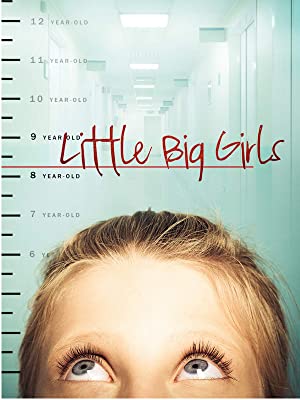
The documentary sheds light on early-onset puberty in girls — increasingly common before the age of nine — and on the gap between physical and emotional maturity. A call on society to adapt and minimise the impact of this phenomenon on children.

Zero Gravity

Zero Gravity

dir. Thomas Verrette

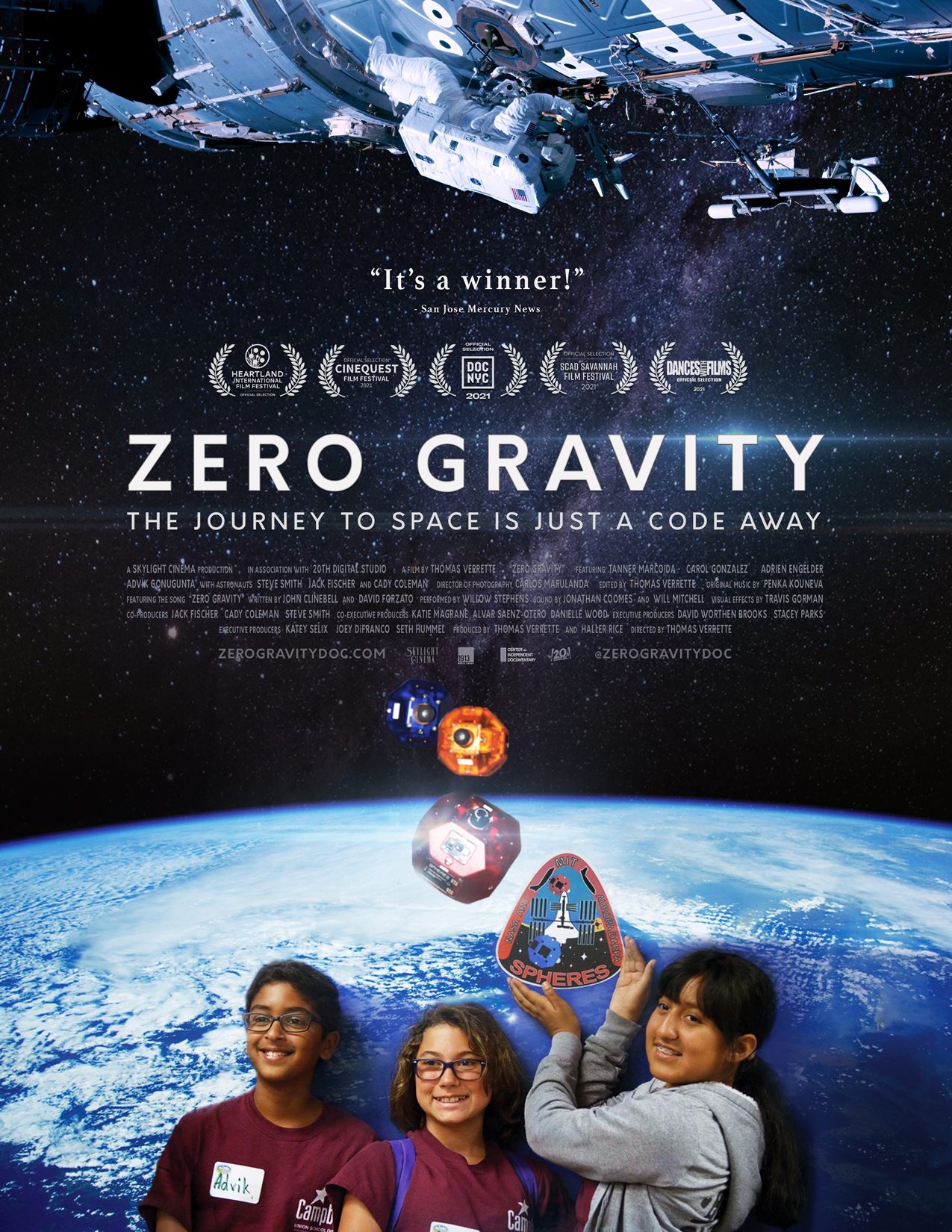
Middle-school students from San Jose spend their summer competing in MIT's Zero Robotics tournament, writing code for satellites aboard the International Space Station — with their results performed by astronauts in orbit. A film about science, teamwork and big dreams.

The Children's Mayor

The Children's Mayor

dir. Susan Koenen

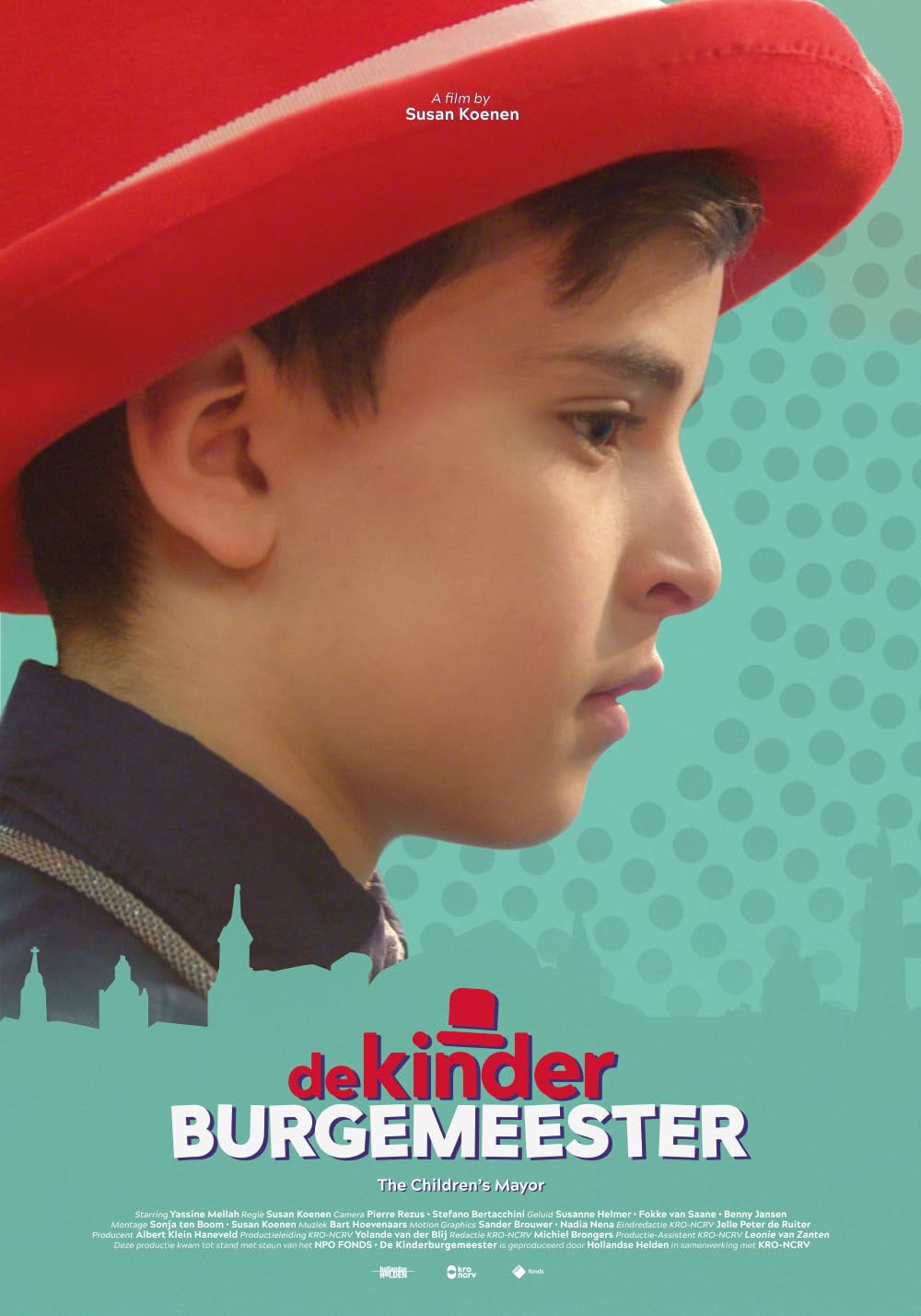
Yassine is 11 and becomes the children's mayor of Amsterdam. He knows he will have to work harder than others because of prejudices against people of Moroccan background — and he does everything he can to reduce them.

Also in the catalogue

  • Pripyat — Grand Prix in Munich. About life in the zone around Chernobyl; fits ecology and history lessons.
  • Maddy the Model — a film about inclusion and difference. It follows the path of the first professional model with Down syndrome.
  • The Exception: the story of Katherine Johnson — about mathematics, space and women in science.

How to get started?

  1. Write to the programme coordinator Evi Karageorgu at evi@youngcinema.eu to receive a registration code.
  2. Register your school or centre at nextus.global/bg.
  3. Invite your colleagues — registration is shared across the whole institution, and the responsible person sends invitations to the teachers who want to use the platform.
  4. Get started: pick a film, a clip or a ready-made lesson and use it in class.

NextUs is free for Bulgarian schools and education centres thanks to the partnership between Arte Urbana Collectif and the NextUs network.

Go to platform